Why Is My Dog Licking Its Paws? Understanding the Behavior
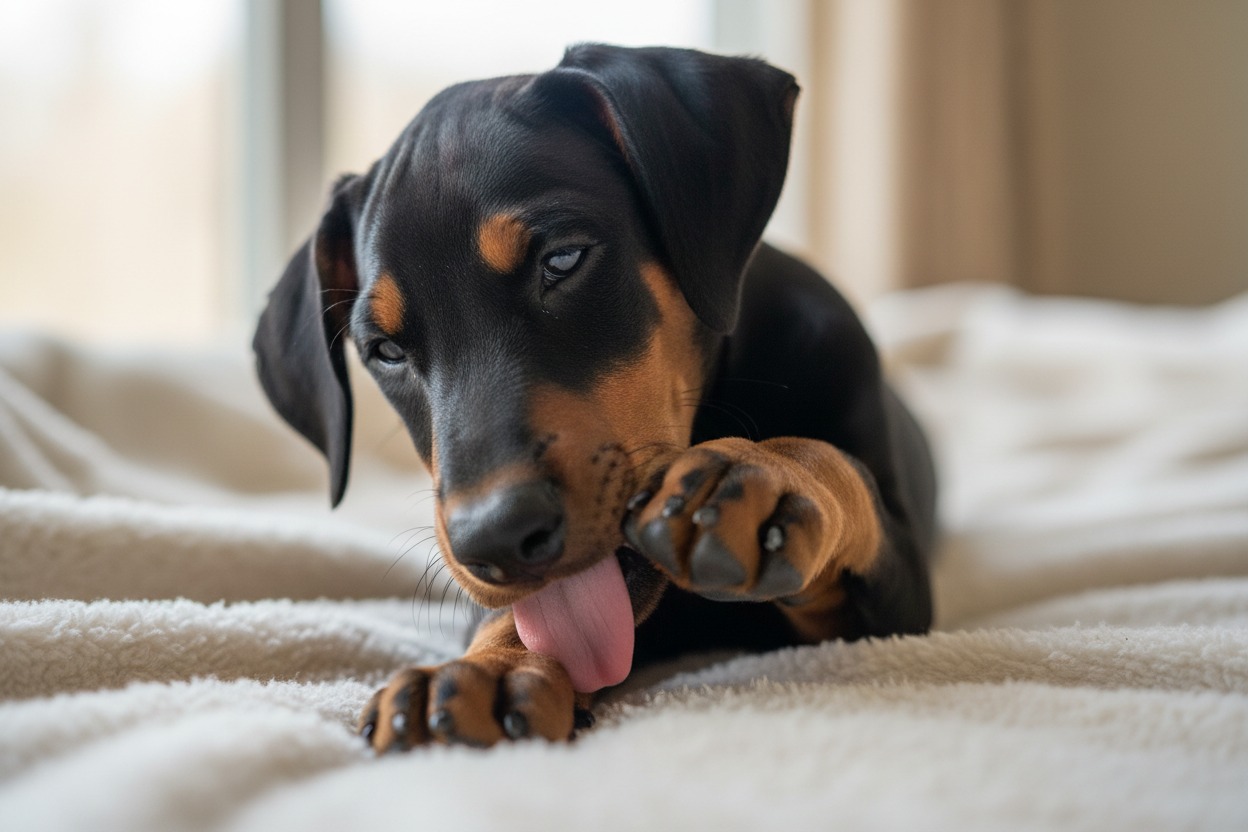
If you share your home with a dog, you are probably familiar with the sound of enthusiastic grooming. While occasional paw licking is completely normal, excessive or obsessive licking is usually a sign that something is bothering your furry friend.
Dogs can’t tell us when they are in pain or uncomfortable, so they use their paws to communicate. If your dog is suddenly spending a lot of time chewing, biting, or licking their paws, it’s time to investigate. Here are the most common reasons why dogs lick their paws and what you can do to help.
1. Allergies (Environmental and Food)
Allergies are by far the leading cause of excessive paw licking in dogs. Just like humans, dogs can suffer from seasonal allergies (pollen, grass, dust mites) or food sensitivities (chicken, beef, grain, dairy).
When a dog has an allergic reaction, it often manifests as itchy, inflamed skin—particularly on their extremities. If you notice your dog licking their paws primarily after walking outside in the grass, environmental allergies are the likely culprit.
2. Parasites, Fleas, and Ticks
Itchy paws can also be caused by unwanted guests. Fleas, ticks, mites (such as those causing mange), and even chiggers love to hide in the warm, furry spaces between a dog’s toes and paw pads. Check your dog’s paws thoroughly for tiny bugs, redness, or black specks (flea dirt).
3. Injury, Foreign Objects, and Pain
Dogs use their paws to explore the world, which makes them vulnerable to cuts, scrapes, and splinters. Your dog might be licking a specific paw because:
- They stepped on a thorn, burr, or piece of glass.
- A grass awn or splinter is embedded between their toes.
- Their toenail is torn, broken, or overgrown.
- They have arthritis or joint pain in their wrist, ankle, or toes, and they are licking the area to soothe the discomfort.
4. Yeast or Bacterial Infections
Saliva is moist, and when a dog constantly licks their paws, they create a warm, wet environment that is a breeding ground for yeast and bacteria. What might have started as a simple itch can quickly turn into a secondary infection, which causes even *more* itching and licking. You might notice a musty or corn-chip-like odor coming from the paws, along with reddish-brown staining on the fur.
5. Boredom and Anxiety
If your veterinarian rules out all medical causes, the root of the problem might be behavioral. Dogs are intelligent, active animals that need mental and physical stimulation. If a dog is bored, anxious, or stressed, they may resort to obsessive-compulsive behaviors to self-soothe—much like a human biting their fingernails. Separation anxiety, loud noises, or a lack of exercise can all trigger this habit.
When to See the Vet
If the licking is persistent, causes hair loss, redness, swelling, bleeding, or a foul odor, it’s time to visit the veterinarian. Trying to treat a deep-seated infection or severe allergy at home usually doesn’t work and can prolong your dog’s discomfort. Your vet can run tests to determine the exact cause and prescribe the appropriate treatment, whether that is allergy medication, medicated foot baths, antibiotics, or pain relief.
How to Help at Home
While waiting for a vet appointment, or to manage mild cases, you can try these steps:
- Wipe their paws: Use a damp cloth or pet-safe wipe to clean your dog’s paws after every walk to remove pollen, allergens, and salt (in the winter).
- Keep them dry: Thoroughly dry your dog’s paws if they get wet outside.
- Increase mental stimulation: Ensure your dog gets enough exercise and puzzle toys to combat boredom-induced licking.
- Use a cone (E-collar): If the licking is causing raw skin or wounds, a temporary Elizabethan collar can prevent further damage while they heal.
Paw licking is your dog’s way of asking for help. By paying close attention to when and how they lick, you can help them find relief and get back to happy, pain-free adventures!