
Symptoms, Causes and Treatment
Dog ear infections are one of the most common reasons pet parents visit the veterinarian. While they can be painful and persistent, understanding the early warning signs, root causes, and proper treatments can help keep your furry friend comfortable and healthy.
Common Symptoms of Dog Ear Infections
Dogs will often show clear signs of discomfort when their ears are infected. Watch out for the following symptoms:
- Frequent head shaking or tilting
- Scratching or pawing at the affected ear
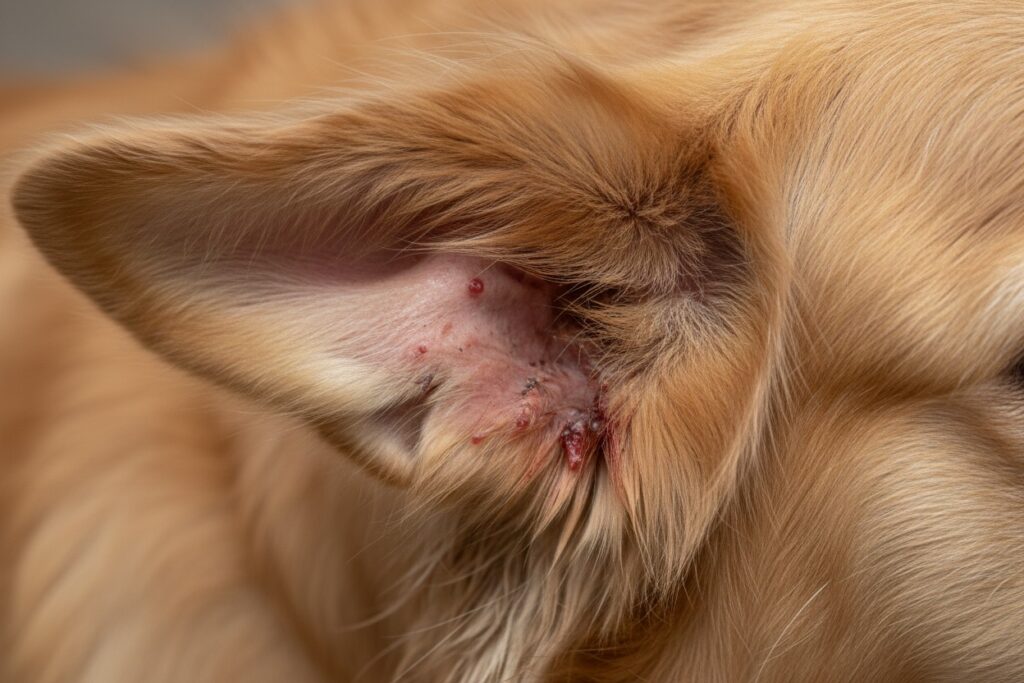
- Redness and swelling of the ear canal
- A foul odor coming from the ear
- Yellow, brown, or bloody discharge
- Scabs, crusts, or hair loss around the ear
- Behavioral changes such as irritability, whining, or lethargy
- Loss of balance or hearing loss in severe cases
Main Causes of Ear Infections in Dogs
Unlike human ears, a dog’s ear canal is L-shaped, making it prone to trapping moisture, debris, and bacteria. The most frequent causes include:
- Bacteria and Yeast: These are normally present in small amounts, but moisture and warmth can cause them to overgrow.
- Allergies: Food allergies and environmental allergies (pollen, dust) often manifest as recurring ear infections.
- Ear Mites: These tiny parasites are highly contagious and common, especially in puppies.
- Foreign Objects: Grass seeds, dirt, or plant matter can get trapped inside the ear canal.
- Excess Moisture: Swimming or frequent baths without proper drying can create a breeding ground for germs.
- Anatomy: Breeds with floppy ears (like Basset Hounds and Cocker Spaniels) or hairy ear canals (like Poodles) are naturally more susceptible.
Diagnosis and Veterinary Treatment
If you suspect your dog has an ear infection, a trip to the vet is essential. Trying to treat it at home without knowing the underlying cause can make the condition worse. Your vet will likely use an otoscope to examine the ear drum and take a swab to look under a microscope for bacteria, yeast, or mites.
Treatment typically involves:
- Professional Cleaning: The vet will thoroughly clean the ear using a specialized medicated solution.
- Medicated Drops or Ointments: Depending on the diagnosis, you will be prescribed antibiotic, antifungal, or anti-inflammatory ear drops.
- Oral Medications: In severe or chronic cases, oral antibiotics or steroids may be necessary to reduce pain and swelling.
- Treating the Underlying Cause: If allergies or mites are to blame, your vet will create a long-term management plan to prevent future infections.
How to Prevent Dog Ear Infections
Prevention is always better than cure. Follow these tips to keep your dog’s ears clean and infection-free:
- Regularly check your dog’s ears, especially after swimming or baths.
- Dry your dog’s ears thoroughly with a clean towel or cotton ball after they get wet.
- Use a vet-recommended ear cleaner to gently wipe the outer ear canal (never insert cotton swabs deep into the ear).
- Manage your dog’s allergies with the help of your veterinarian.
- Keep hair trimmed around the ear to improve air circulation if your dog is a hairy-eared breed.
By staying vigilant and catching symptoms early, you can ensure your dog stays happy, healthy, and pain-free.