A Guide for Pet Parents
As responsible rabbit owners, we all love treating our furry friends with a tasty snack. However, a rabbit’s digestive system is extremely delicate. While we often picture bunnies happily munching on carrots and lettuce all day, feeding them the wrong foods can lead to severe health issues, including fatal gastrointestinal stasis.
To help keep your bunny safe and healthy, here is a list of foods rabbits should never eat.
1. Iceberg Lettuce
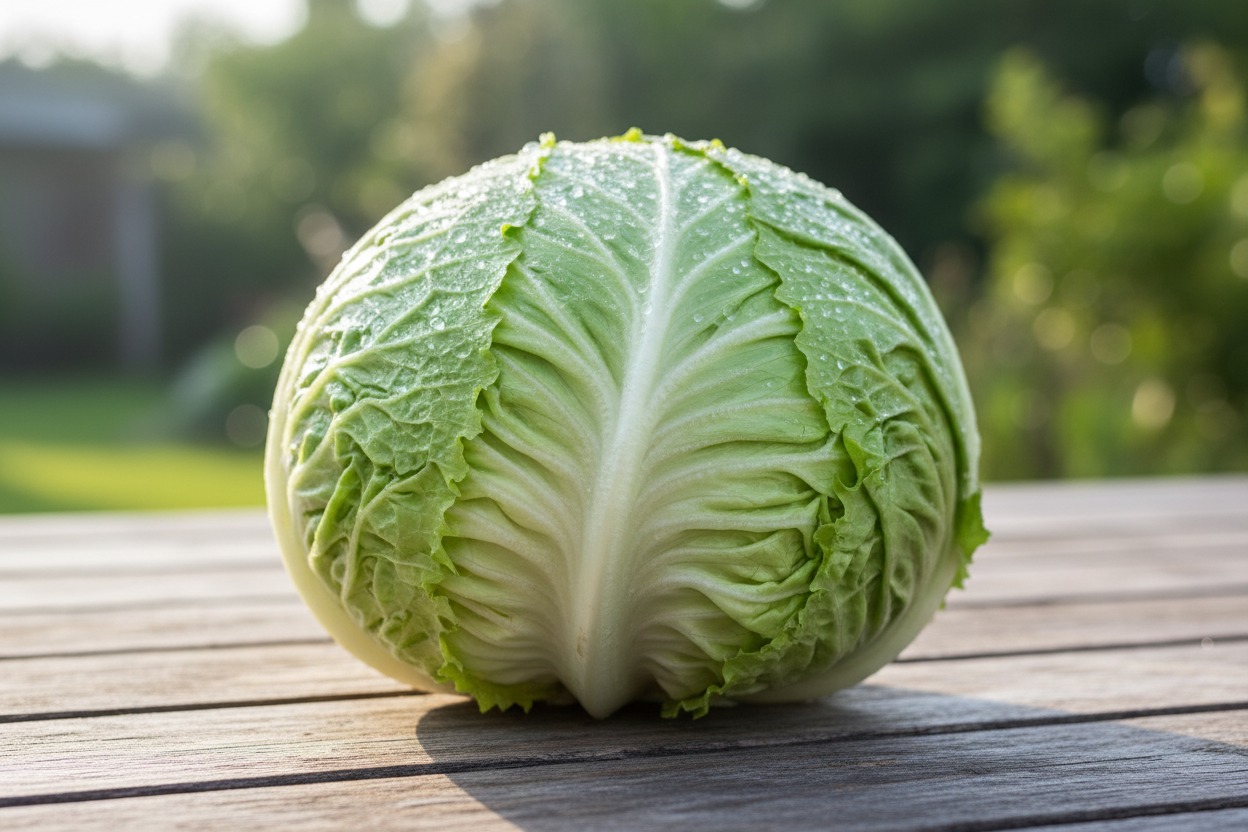
While rabbits love leafy greens, iceberg lettuce should be strictly avoided. It contains a chemical called lactucarium, which can be harmful to rabbits in large quantities. Furthermore, iceberg lettuce is mostly water and lacks nutritional value, often leading to severe diarrhea.
Safe alternative: Dark leafy greens like romaine lettuce, kale, and cilantro (in moderation).
2. Allium Vegetables (Onions, Garlic, Leeks, and Chives)
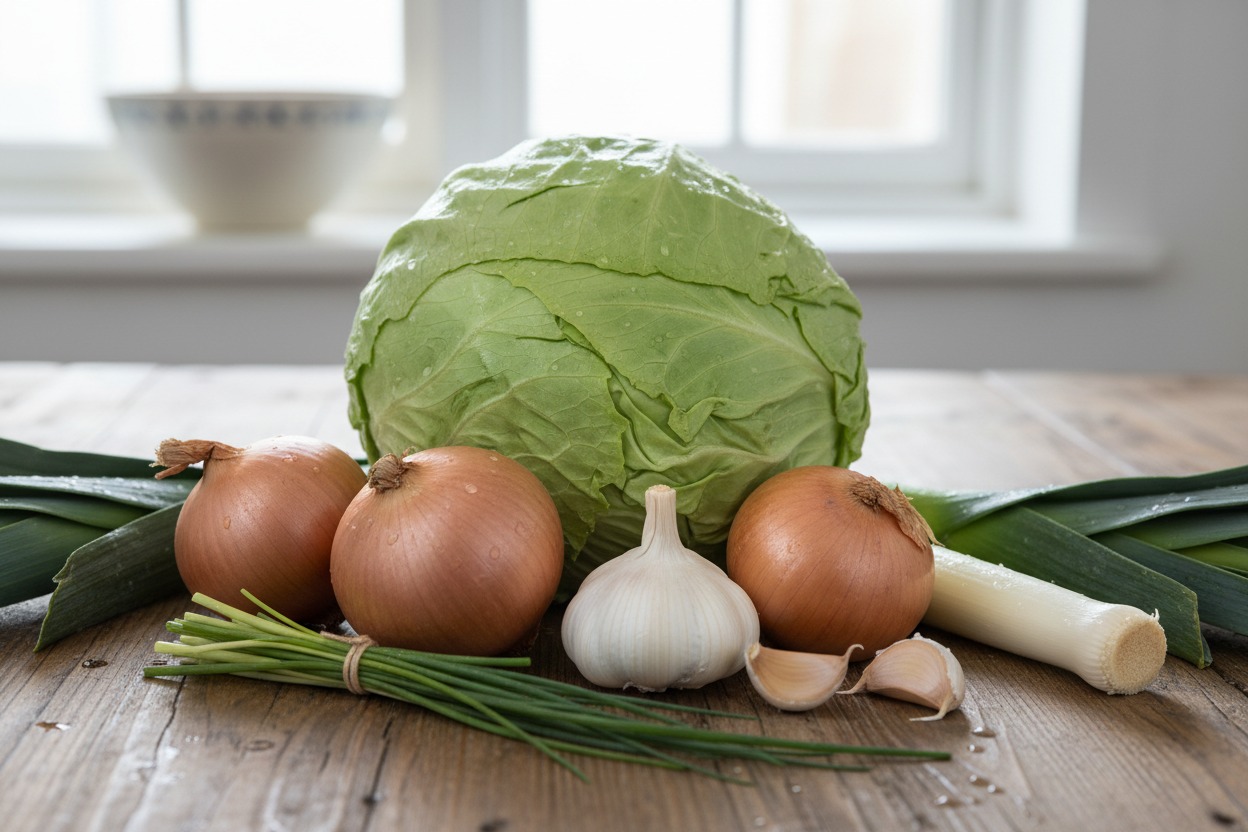
Onions, garlic, and their relatives contain compounds that can damage a rabbit’s red blood cells, leading to a dangerous condition called hemolytic anemia. Never feed your rabbit cooked or raw alliums, and avoid foods containing onion or garlic powder.
3. Chocolate and Sweets

It goes without saying that candy, cookies, and chocolate are toxic to rabbits. Chocolate contains theobromine and caffeine, both of which are lethal to rabbits. High-sugar foods also disrupt the delicate balance of good bacteria in a rabbit’s gut, which can quickly become fatal.
4. Avocado
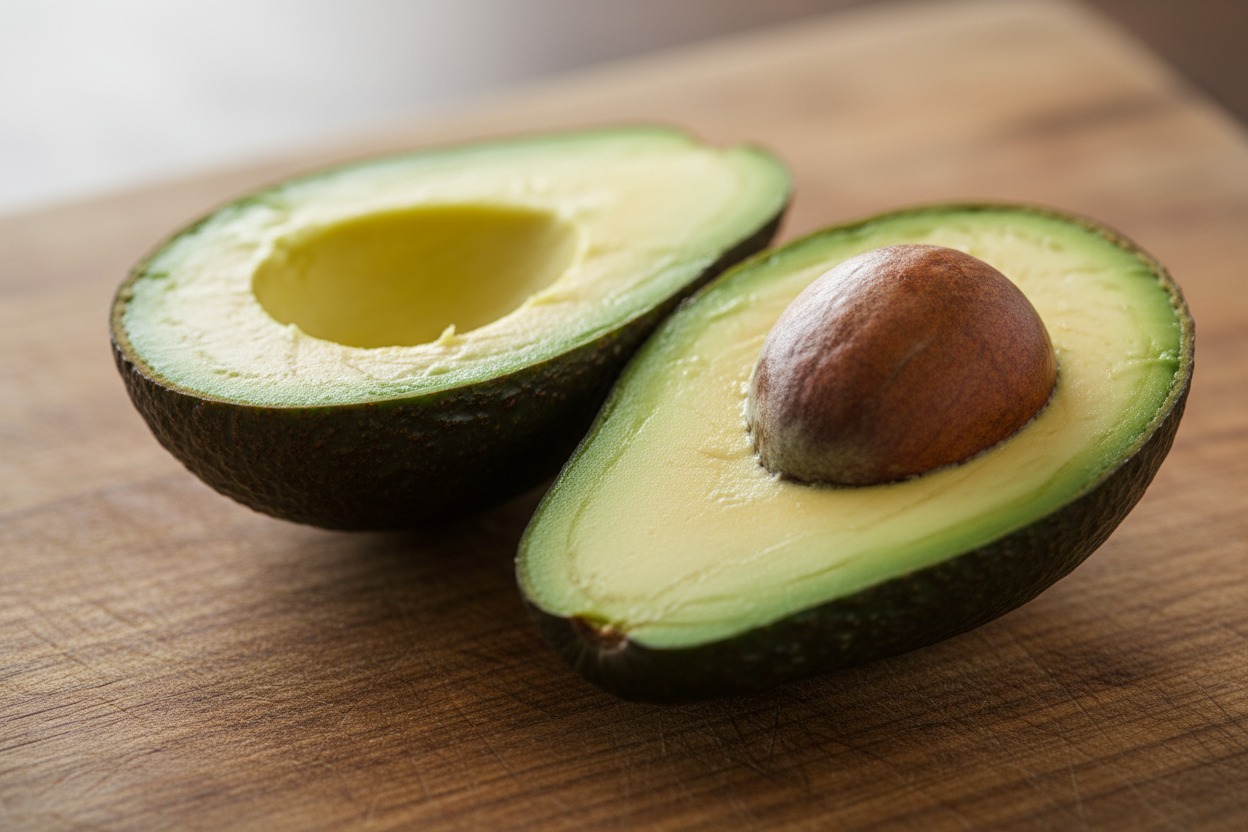
Avocados are delicious, but they are a total no-go for rabbits. The entire avocado plant—including the fruit, skin, pit, and leaves—contains a fungicidal toxin called persin. Ingesting avocado can lead to heart failure and respiratory distress in rabbits.
5. Potatoes, Sweet Potatoes, and Corn
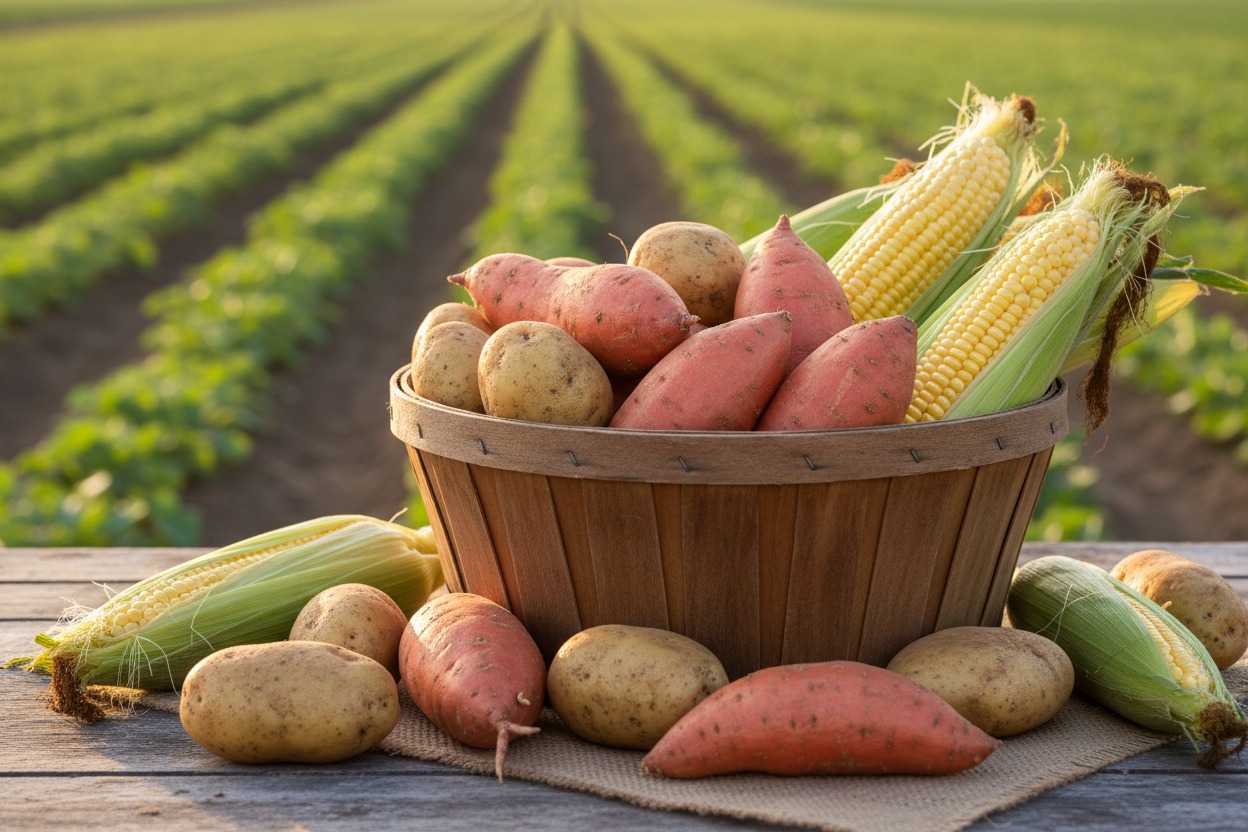
Starchy and high-carbohydrate vegetables are very difficult for rabbits to digest. Foods like potatoes, sweet potatoes, yams, and corn can cause a dangerous buildup of gas and harmful bacteria in the cecum. Avoid grain-based treats (like crackers and bread) for the same reason.
6. Rhubarb
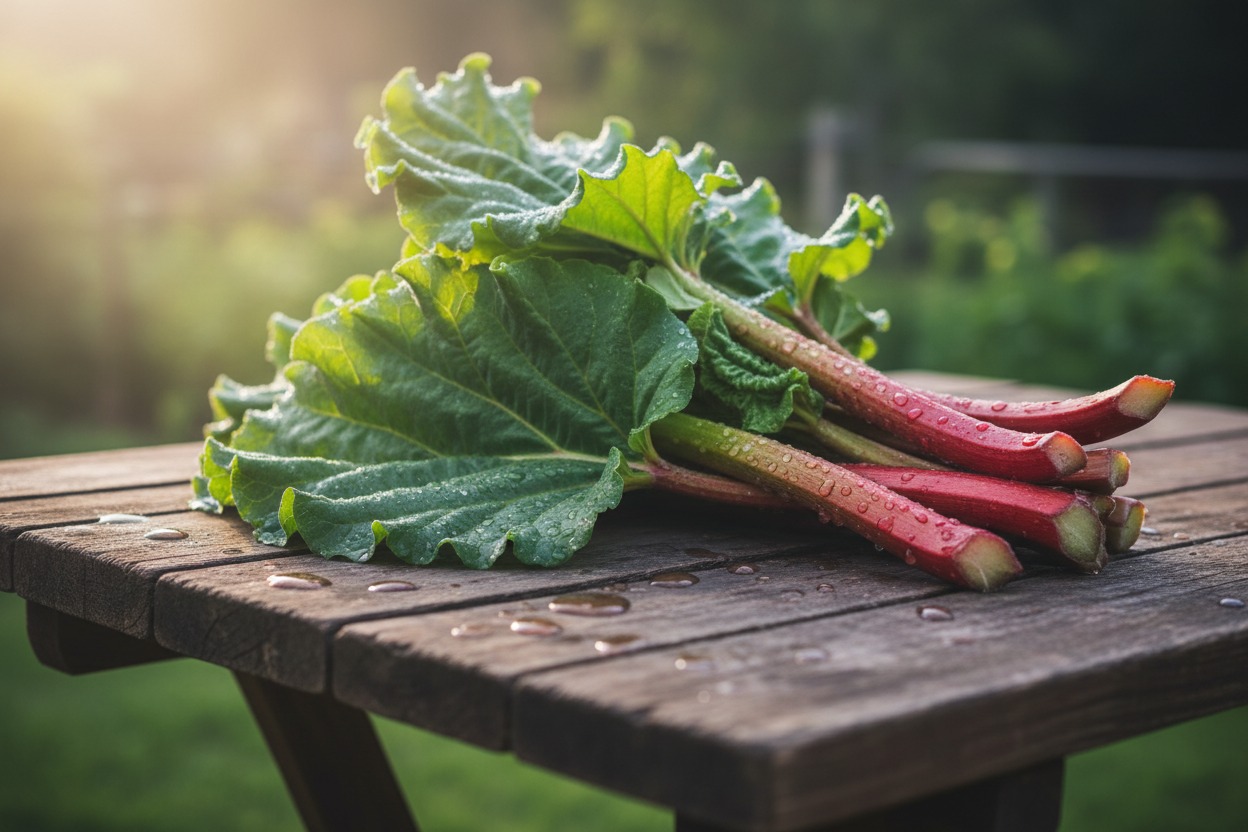
Rhubarb is toxic to many animals, including rabbits. Both the leaves and the stalks contain high levels of oxalic acid and anthraquinones, which can cause severe poisoning, kidney damage, and even death.
7. Nuts and Seeds
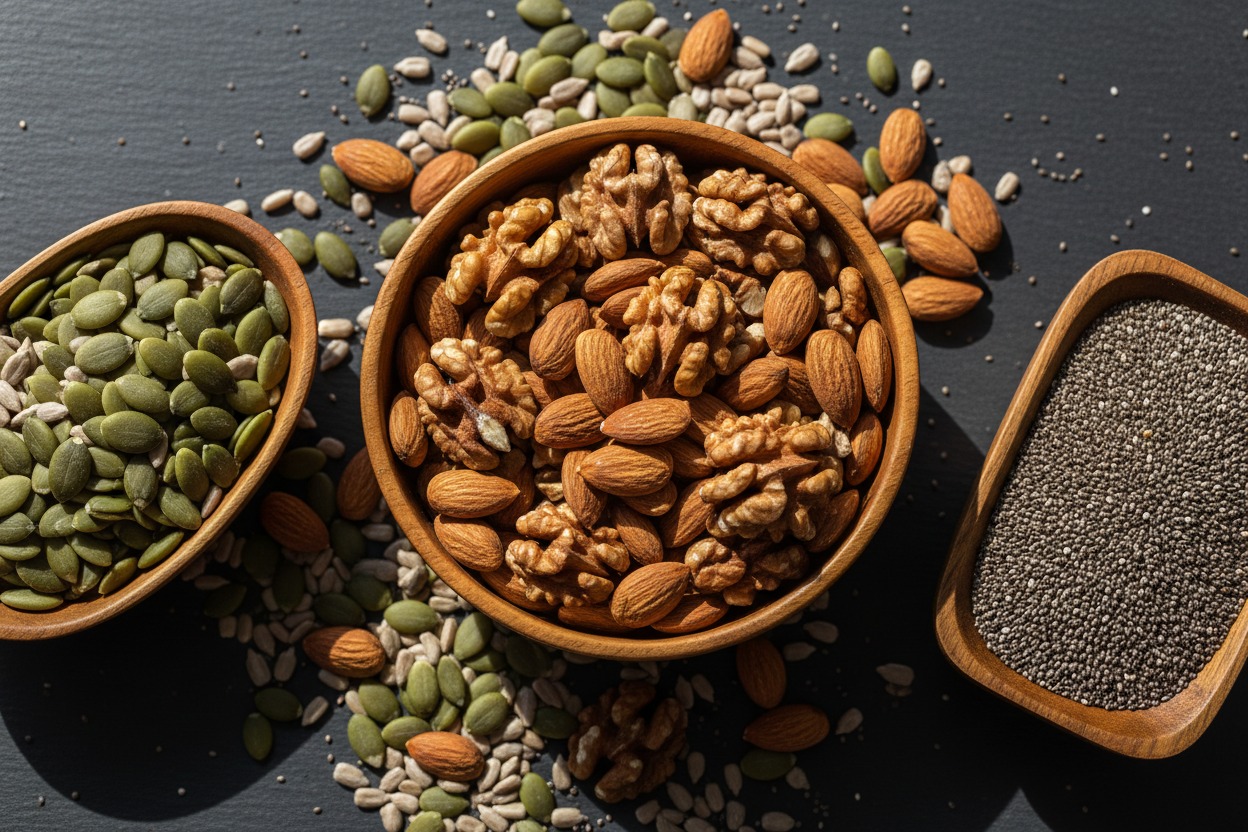
While they might seem like a natural treat, nuts and seeds are far too high in fat for a herbivore’s digestive system. Additionally, hard seeds and pits pose a severe choking hazard and can cause intestinal blockages.
8. Houseplants and Garden Flowers
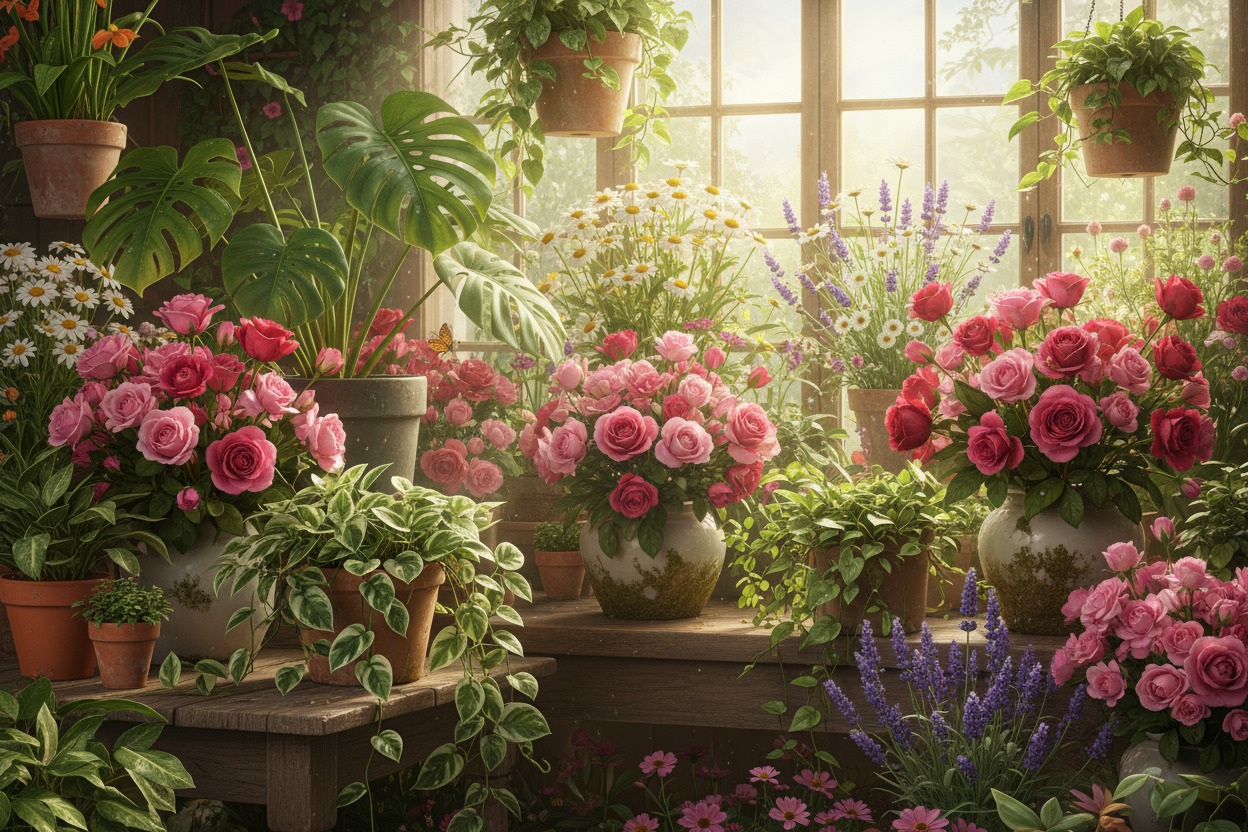
Many common houseplants and flowers are poisonous to rabbits. Never let your bunny nibble on plants like tulips, lilies, ivy, poinsettias, or tomato plants. Always research plant toxicity before allowing your rabbit free-roam access in a new room or garden.
The Golden Rule of Rabbit Nutrition
A healthy rabbit’s diet should consist primarily of unlimited grass hay (like Timothy hay), a daily portion of fresh water, a measured amount of high-quality pellets, and occasional, bite-sized portions of fresh leafy greens and safe vegetables.
If you suspect your rabbit has eaten something toxic, monitor them closely for signs of lethargy, refusal to eat, or bloating, and contact an exotic animal veterinarian immediately.