
A Guide for Pet Parents.
Dental disease affects over 80% of dogs and cats by the age of three. Left unchecked, plaque and tartar buildup can lead to gingivitis, tooth loss, and even serious infections that affect vital organs like the heart, liver, and kidneys. The good news? You can easily protect your pet with a solid dental routine. Here is how to keep your pet’s teeth sparkling clean.
1. Brush Their Teeth Regularly
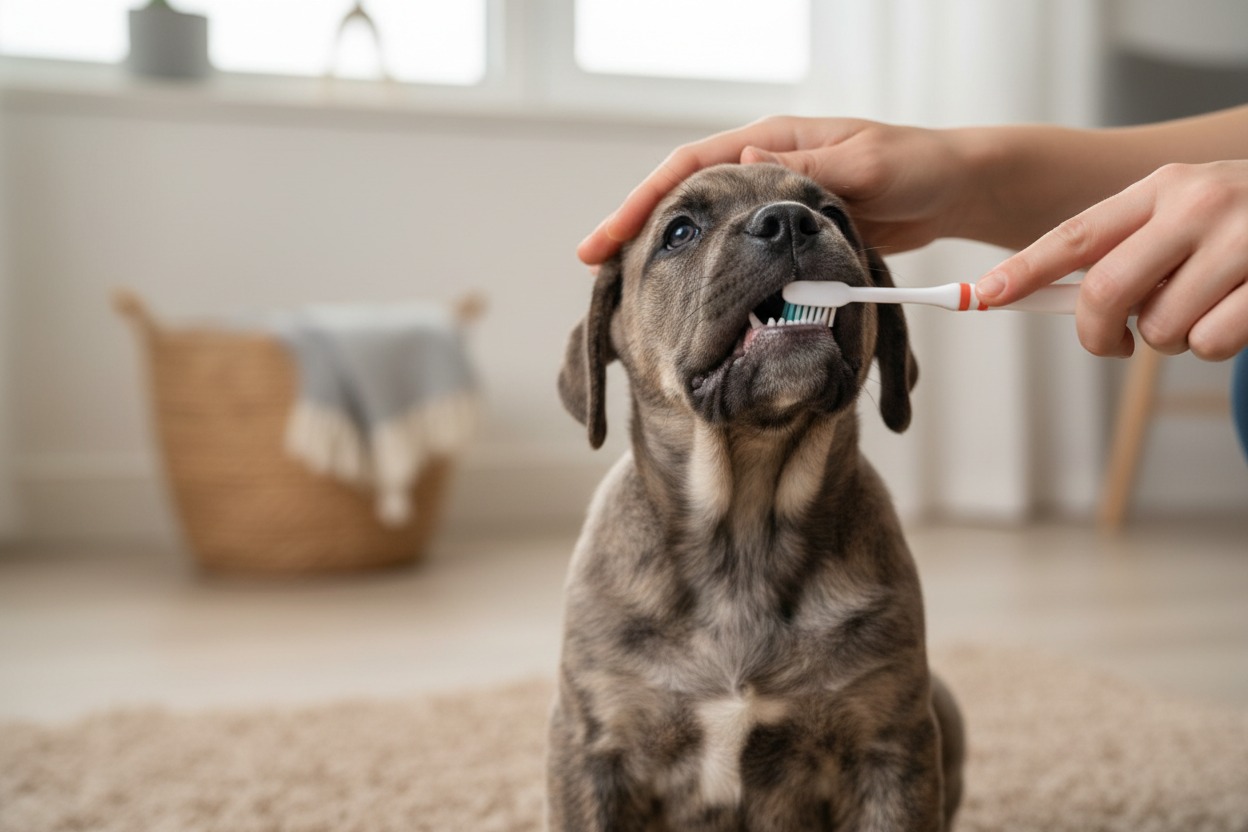
The gold standard of pet dental care is daily brushing. While it might sound daunting, most pets can learn to accept—and even enjoy—it if you take it slow.
- Use pet-safe toothpaste: Never use human toothpaste, as it contains fluoride and xylitol, which are toxic to animals. Pet toothpastes come in appealing flavors like poultry, beef, or peanut butter.
- Choose the right tools: Use a toothbrush designed for pets, which usually features smaller heads and angled bristles. For smaller pets or beginners, a silicone finger brush works wonders.
- Take it slow: Start by letting your pet lick the toothpaste off your finger. Next, gently rub their teeth with your finger or the brush for a few seconds. Gradually work up to brushing the outer surfaces of the teeth in a circular motion.
2. Offer Dental Chews and Treats
If daily brushing isn’t realistic for your schedule, dental treats are a great supplementary option. Look for products that carry the Veterinary Oral Health Council (VOHC) seal of approval. These chews are specifically designed to reduce plaque and tartar as your pet gnaws on them, and they stimulate saliva production, which naturally cleans the teeth.
3. Incorporate Dental Diets and Water Additives
Diet plays a huge role in oral health. Some veterinary diets are specially formulated with larger kibble sizes that don’t shatter immediately, allowing the tooth to sink deeper into the kibble for a scraping effect that cleans as they chew.
Alternatively, you can try water additives or dental powders. These are tasteless liquids or powders you add to your pet’s water bowl or food that help break down plaque-forming bacteria throughout the day.
4. Provide Safe Chew Toys
Chewing is a natural behavior for dogs and cats, and it’s a great way to keep teeth clean. Durable rubber toys, rope toys, and safe chew bones help scrape away soft plaque. Always supervise your pet with chew toys and avoid anything too hard—like real bones, antlers, or nylon toys that don’t yield—as these can easily fracture your pet’s teeth.
5. Schedule Professional Dental Cleanings
Even with the best at-home care, plaque will eventually harden into tartar, which can only be removed safely through professional scaling and polishing under anesthesia. Your veterinarian should check your pet’s teeth during their annual wellness exam and recommend professional cleanings as needed.
Healthy Teeth Mean a Happier Pet
Taking care of your pet’s teeth is an investment in their overall health and longevity. By introducing a few simple habits into your daily routine, you can prevent painful dental issues and ensure your four-legged best friend keeps flashing that beautiful, healthy smile for years to come!