
Simple ways to keep your pet protected, comfortable and parasite-free.

As a pet owner, keeping your furry friend safe and healthy is a top priority. Fleas and ticks are common parasites that can cause discomfort and serious health problems for your pet. Fortunately, there are effective ways to protect your pet from these pests. In this blog post, we’ll explore practical tips to help you keep fleas and ticks at bay.
- Understand the Risks
Fleas and ticks thrive in warm, humid environments and are more prevalent during spring and summer months. They can attach to your pet’s skin, causing itching, allergic reactions, and transmitting diseases such as Lyme disease, ehrlichiosis, and tapeworm infections. - Regular Grooming and Inspection
Regularly brushing your pet helps remove fleas and ticks before they can cause harm. Check your pet’s coat, especially around the ears, neck, and between toes, for any signs of parasites. Early detection is key to preventing infestations. - Use Preventative Treatments
There are numerous flea and tick preventatives available, including topical treatments, oral medications, collars, and shampoos. Consult your veterinarian to choose the best option tailored to your pet’s age, size, and health status. - Maintain a Clean Environment
Vacuum your home frequently and wash your pet’s bedding regularly to eliminate flea eggs and larvae. Treat your yard and outdoor areas with pet-safe insecticides to reduce the risk of exposure. - Limit Exposure to Infested Areas
Avoid taking your pet to areas known for high flea and tick populations, such as dense woods or tall grassy fields. If your pet does visit these areas, perform a thorough check afterward. - Monitor Your Pet’s Health
If your pet shows signs of excessive scratching, hair loss, redness, or lethargy, consult your veterinarian promptly. Flea and tick infestations can lead to secondary infections and other health complications if left untreated.
How to check your dog
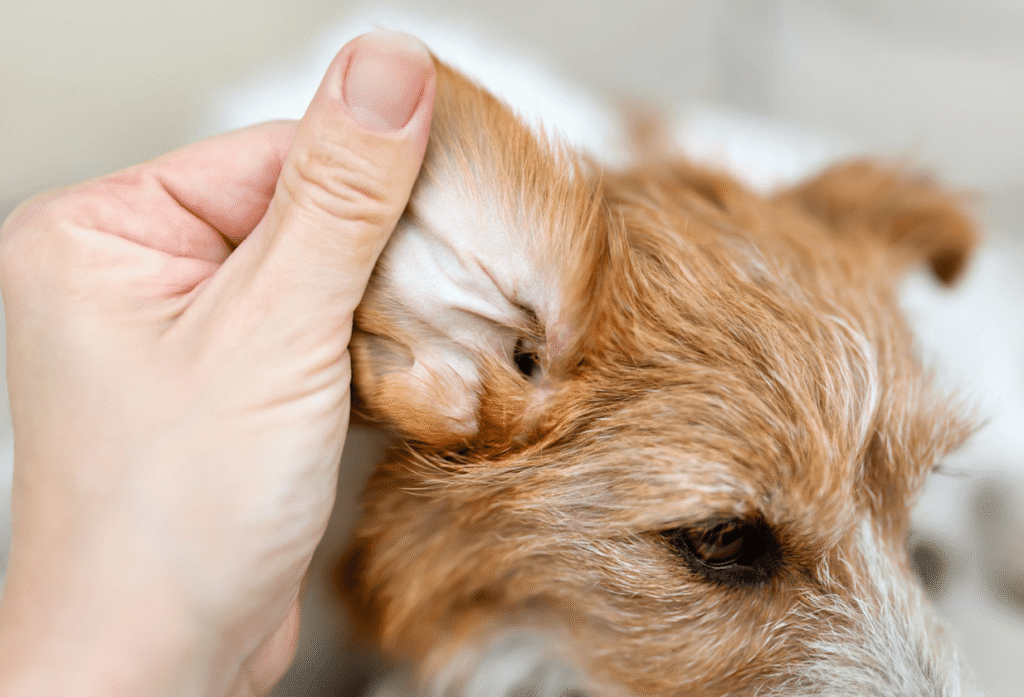
1. Check the ears
Look inside and around your pet’s ears for dirt, redness, unusual odor, irritation, or signs of fleas and ticks.
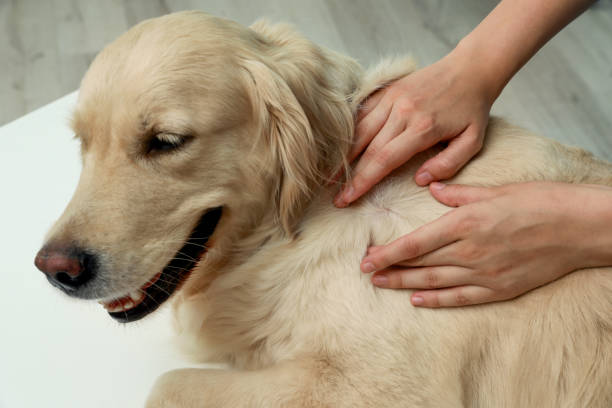
2. Check the neck & collar area
Remove the collar and carefully check the skin underneath for fleas, ticks, redness, irritation, or small bumps.
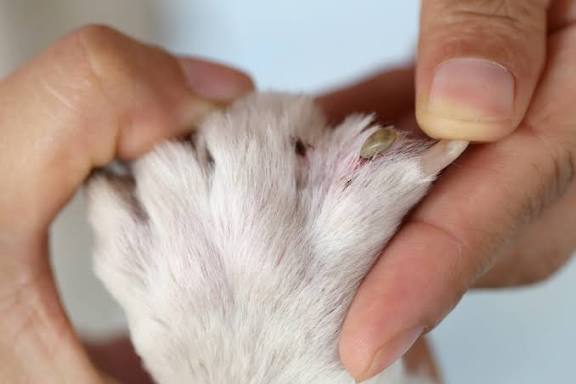
3. Check between the toes
Gently spread the toes and inspect the spaces between them for ticks, dirt, redness, swelling, or irritation.
4. Check around the tail
Check the skin and fur around the base of the tail for fleas, ticks, flea dirt, redness, or irritated skin.
Quick Prevention Tips
1. Check your pet regularly
Run your hands through your pet’s coat and check the skin, especially around the ears, neck, paws and tail.
2. Check after outdoor walks
Give your pet a quick inspection after walks, especially after visiting grassy or wooded areas.
3. Keep bedding clean
Wash your pet’s bed, blankets and favorite fabrics regularly to help keep the environment clean.
4. Groom regularly
Brushing your pet regularly can help you spot fleas, ticks, skin irritation or unusual changes early.
5. Keep parasite prevention up to date
Use flea and tick prevention appropriate for your pet’s species, age and weight, following your veterinarian’s or product label’s instructions.
6. Don’t forget your home
Vacuum carpets, furniture and your pet’s favorite areas regularly, especially if you have noticed fleas.
💡 Pet Parent Tip: Prevention works best when you combine regular pet checks, grooming, cleaning and an appropriate parasite-control routine.
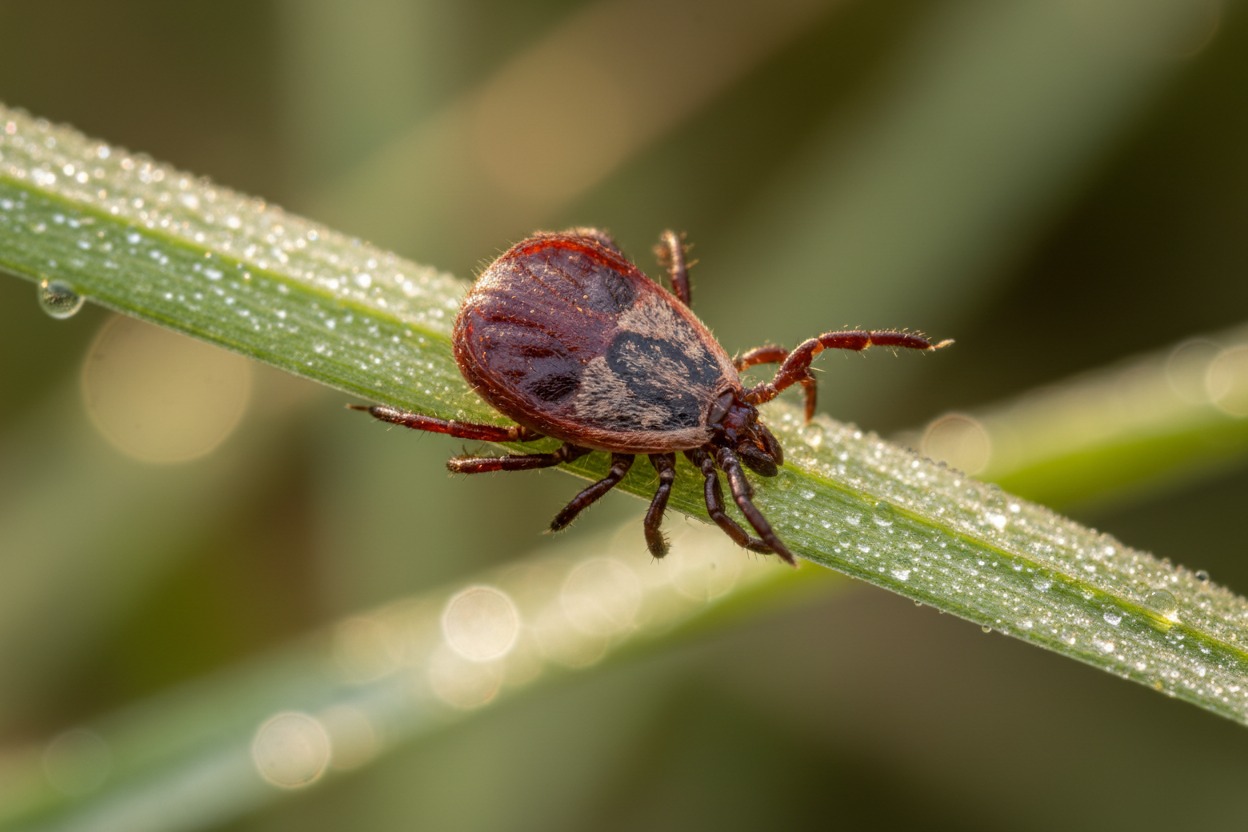
Ticks
1.Attach to the skin
2.Can transmit diseases
3.Check skin and hidden areas
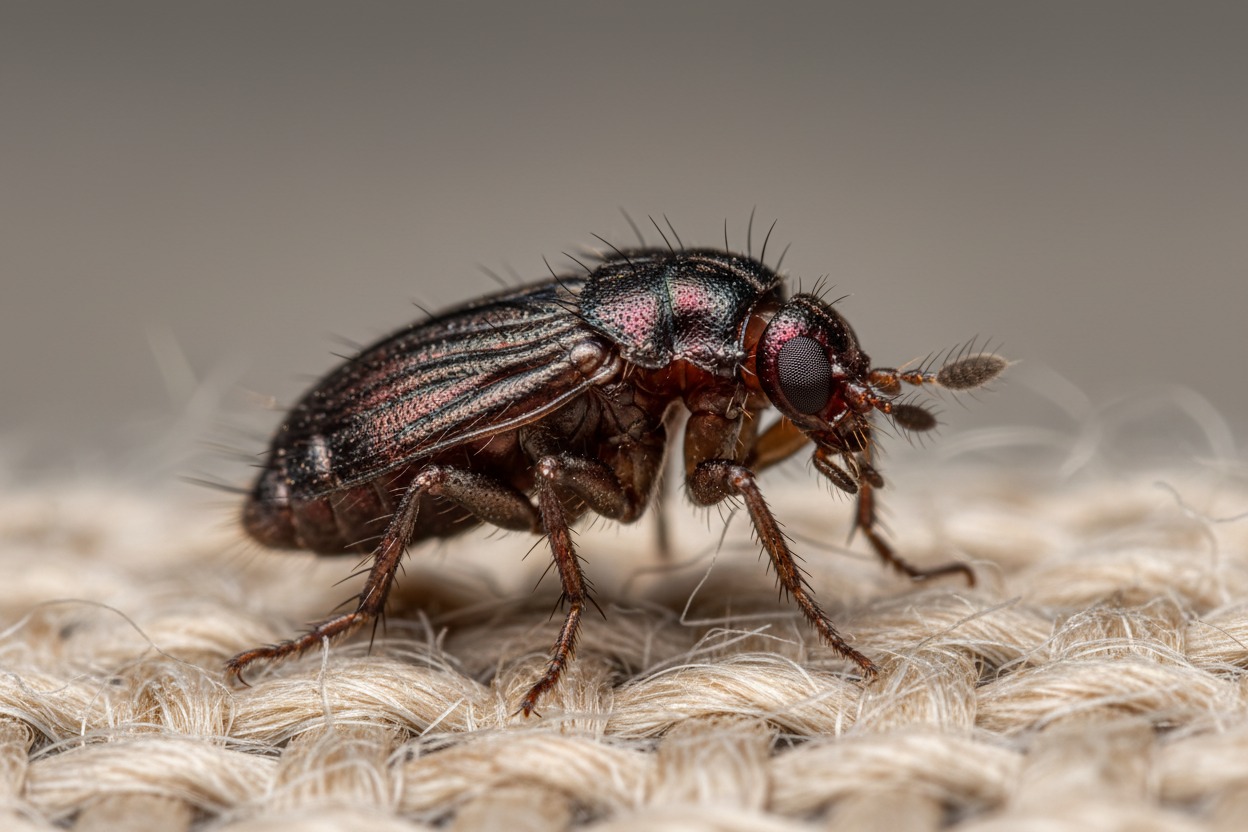
Fleas
1.Tiny jumping insects
2.Often couse itching
3.Check the fur carefully
Leave a Reply