

When it comes to pet nutrition, fats often get a bad rap. However, not all fats are created equal—some are essential for your furry friend’s health and well-being. Functional fats such as salmon oil, coconut oil, and flaxseed oil provide unique benefits that can support everything from skin and coat health to brain function and inflammation control. Understanding the differences between these oils can help you make the best choice for your pet’s diet.
Salmon Oil: The Omega-3 Powerhouse
Salmon oil is rich in omega-3 fatty acids, particularly EPA (eicosapentaenoic acid) and DHA (docosahexaenoic acid). These essential fats have been shown to support heart health, reduce inflammation, and improve cognitive function in pets. Omega-3s also contribute to a shiny coat and healthy skin, making salmon oil a popular supplement for dogs and cats with dry or itchy skin.
Because omega-3s are not produced by the body, they must be obtained through diet or supplements. Salmon oil is a natural and potent source, especially beneficial for pets with allergies, arthritis, or kidney issues. It’s important to use high-quality, purified salmon oil to avoid contaminants like heavy metals.
Coconut Oil: The Medium-Chain Triglyceride (MCT) Boost
Coconut oil is composed primarily of medium-chain triglycerides (MCTs), which are fats that are metabolized differently than long-chain fatty acids. MCTs are quickly absorbed and converted into energy, making coconut oil a great choice for pets needing an energy boost or those with digestive issues.
Beyond energy, coconut oil has antimicrobial properties thanks to lauric acid, which can help combat bacteria and yeast infections. Many pet owners use coconut oil topically to soothe dry skin or add it to their pet’s food to support weight management and cognitive health in aging animals.
However, because coconut oil is high in saturated fat, it should be introduced gradually and used in moderation to avoid gastrointestinal upset or weight gain.
Flaxseed Oil: The Plant-Based Omega-3 Alternative
Flaxseed oil is an excellent plant-based source of alpha-linolenic acid (ALA), a type of omega-3 fatty acid. While ALA can be converted into EPA and DHA in the body, this process is inefficient in pets, especially cats. Still, flaxseed oil provides valuable fiber and antioxidants, supporting digestive health and immune function.
For pets with sensitivities to fish products or those following a vegetarian diet, flaxseed oil is a viable option. It also contains omega-6 fatty acids, which are important for skin and coat health. However, because flaxseed oil does not provide the direct benefits of EPA and DHA, it may be less effective for managing inflammation or cognitive issues compared to salmon oil.
Choosing the Right Oil for Your Pet
- For inflammation, joint health, and brain support: Salmon oil is the superior choice due to its EPA and DHA content.
- For digestive health, energy, and antimicrobial benefits: Coconut oil can be a helpful supplement but should be used sparingly.
- For a plant-based omega-3 source and digestive support: Flaxseed oil is a good alternative but may not provide all the benefits of marine oils.
Always consult your veterinarian before introducing new supplements into your pet’s diet, especially if your pet has preexisting health conditions. When used appropriately, these functional fats can enhance your pet’s health, energy, and overall quality of life.
Final Thoughts
Functional fats are a valuable part of a balanced pet diet. By understanding the unique properties of salmon oil, coconut oil, and flaxseed oil, you can tailor your pet’s nutrition to meet their specific needs. Whether it’s boosting brain function, soothing irritated skin, or providing sustainable energy, incorporating the right fat can make a significant difference in your pet’s health and happiness.
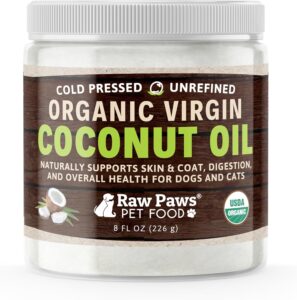
Raw Paws Organic Virgin Coconut Oil for Dogs & Cats
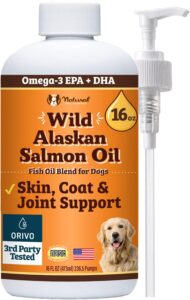
Natural Dog Company Wild Alaskan Salmon Oil for Dogs
Barlean’s Flaxseed Oil for Animals
Leave a Reply