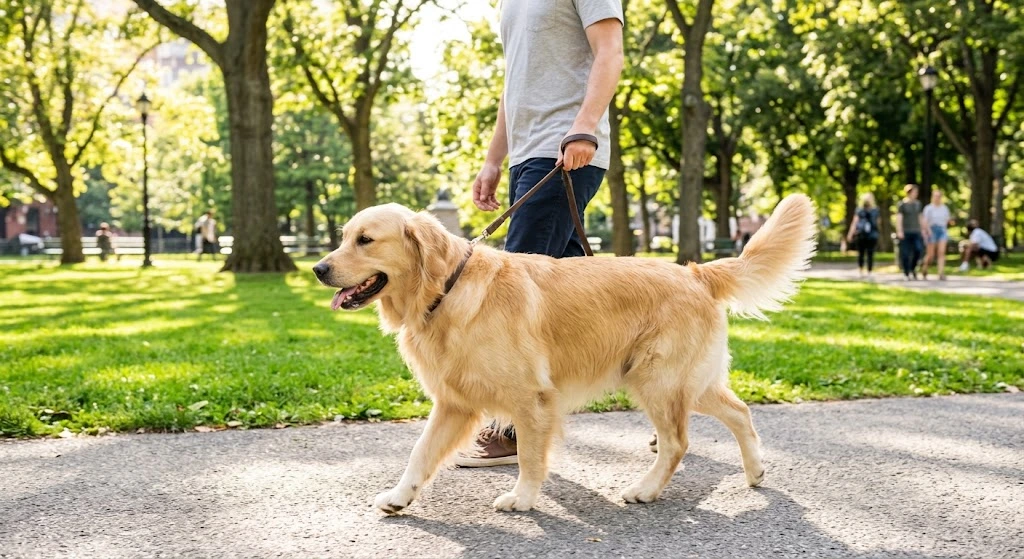
How often you should walk your dog depends on several factors, including their breed, age, health, and energy level. However, a good general rule of thumb for most healthy adult dogs is at least one to two walks per day, lasting anywhere from 20 minutes to an hour each.
Factors That Influence Your Dog’s Walking Needs
1. Breed and Energy Level
Working and herding breeds (such as Border Collies, Australian Shepherds, and Siberian Huskies) have high energy levels and often require two long walks daily, totaling two hours or more of exercise, plus mental stimulation. On the other hand, low-energy or toy breeds (like Pugs, French Bulldogs, and Shih Tzus) are usually satisfied with one or two shorter, gentle walks of 15 to 20 minutes.
2. Age
- Puppies: Puppies have developing joints and bones, so they shouldn’t go on long-distance walks. A safe guideline is the “5-minute rule”—five minutes of exercise per month of age (e.g., a four-month-old puppy can handle a 20-minute walk), up to twice a day.
- Senior Dogs: Older dogs still need movement to keep their joints flexible and maintain muscle mass, but their walks should generally be shorter, slower, and tailored to any age-related conditions like arthritis.
3. Health and Fitness
If your dog is overweight, recovering from an injury, or has a medical condition (such as heart or respiratory issues), consult your veterinarian to create a customized walking routine. Gradually build up their stamina rather than jumping into long walks.
Signs Your Dog Isn’t Getting Enough Exercise
If your dog is burning off energy in destructive ways, they may need more frequent or longer walks. Common signs of under-exercising include:
- Chewing on furniture, shoes, or household items
- Excessive barking or whining
- Digging or pacing
- Weight gain
- Hyperactivity, especially at night
Tips for a Great Walk
- Mix it up: Change your walking routes occasionally to give your dog new sniffs and mental stimulation.
- Mind the weather: On hot summer days, test the pavement with the back of your hand. If it’s too hot for you, it’s too hot for their paws. Keep walks short in extreme heat or freezing cold.
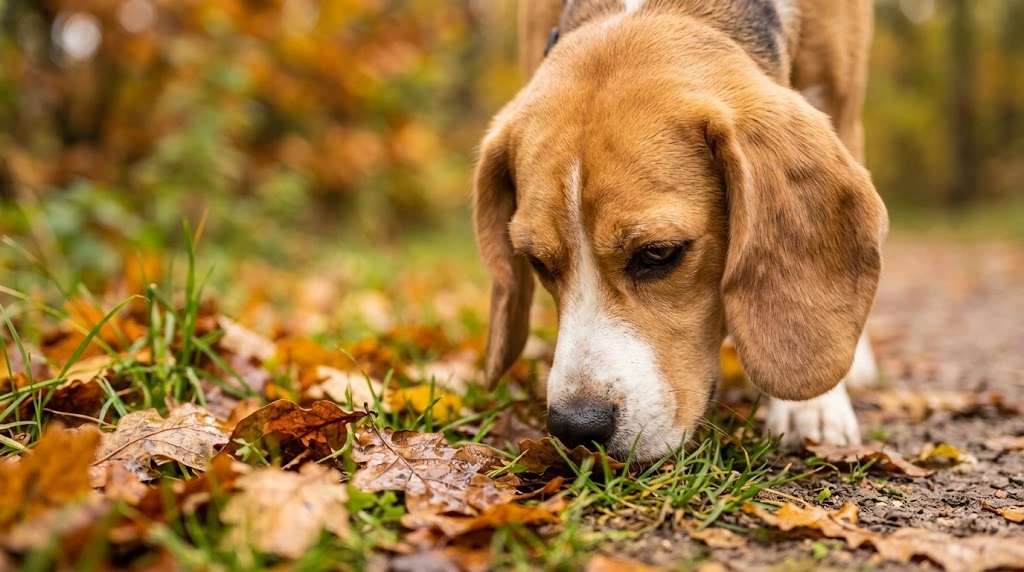
- Allow time to sniff: Walking isn’t just about physical exercise; it’s how dogs explore the world. Let them stop and sniff—it tires their brains out just as much as walking tires their bodies!
Disclaimer: Always consult with your veterinarian to determine the best exercise routine for your specific dog.
Leave a Reply