
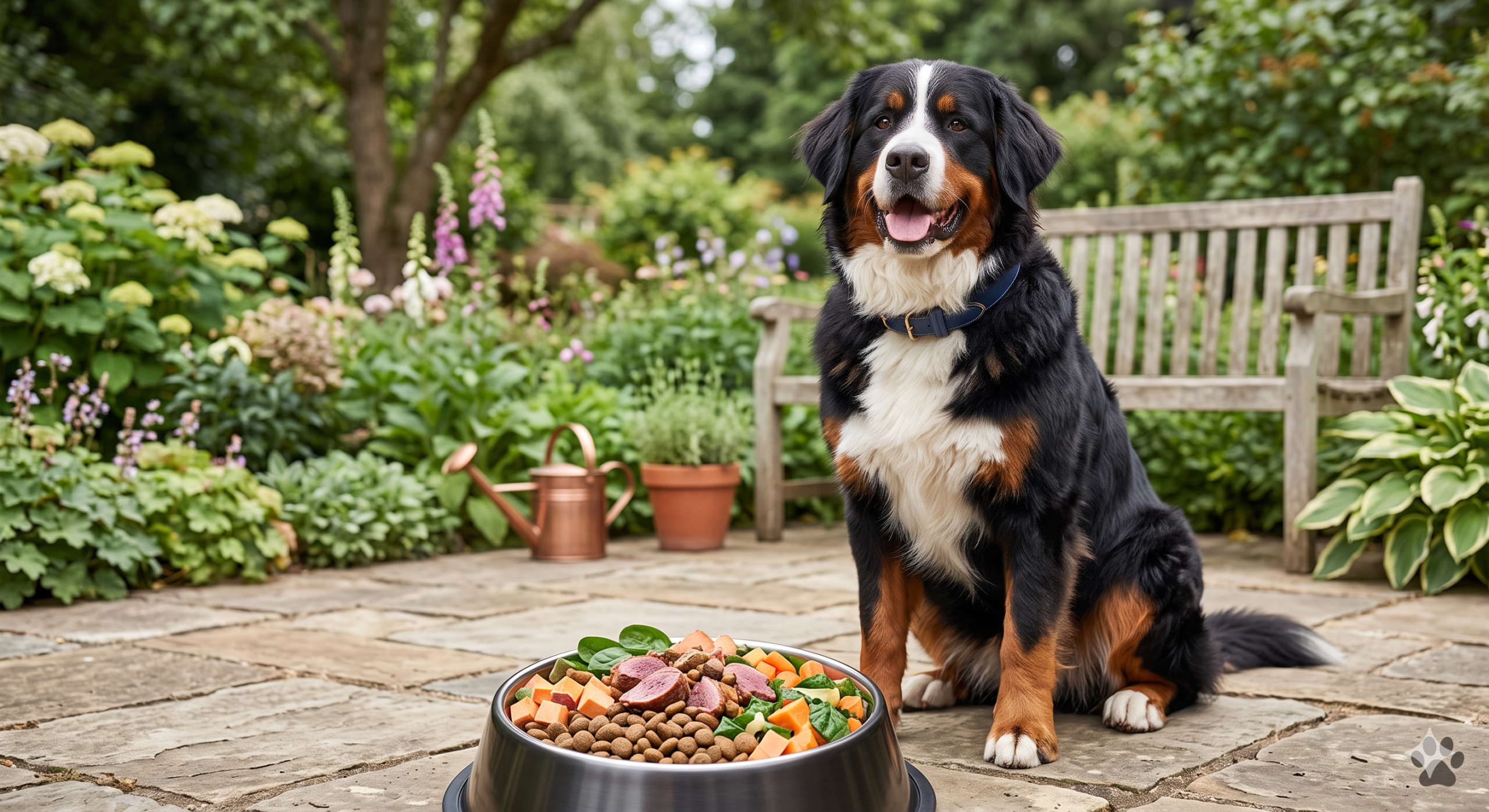
Choosing the right food for your pet is one of the most important decisions you can make to ensure their health and happiness. With countless options on the market, reading pet food labels carefully is essential to avoid harmful ingredients that could negatively impact your furry friend’s well-being. As we head into 2026, here are three red-flag ingredients you should steer clear of when selecting pet food.
- Artificial Preservatives (BHA, BHT, Ethoxyquin)
Artificial preservatives are commonly used to extend the shelf life of pet foods, but they come with potential health risks. BHA (butylated hydroxyanisole), BHT (butylated hydroxytoluene), and ethoxyquin have been linked to cancer and other health problems in pets. While some manufacturers have phased out these additives, they still appear in many brands. Opt for pet foods that use natural preservatives such as vitamin E (mixed tocopherols) or vitamin C instead. - By-Products and Meat Meals of Unknown Origin
Labels like “meat by-products,” “poultry by-products,” or generic “meat meal” can be vague and misleading. These ingredients often consist of low-quality parts of animals like beaks, feet, and internal organs, which may not provide balanced nutrition. Additionally, if the label doesn’t specify the type of meat meal (e.g., chicken meal, beef meal), it’s hard to know what your pet is actually consuming. Choose pet foods that list specific, high-quality protein sources upfront to ensure your pet gets the nutrients they need. - Excessive Fillers (Corn, Wheat, Soy)
While some fillers help bind kibble and add bulk, excessive amounts of corn, wheat, and soy can pose problems. These ingredients are common allergens and offer little nutritional value, often leading to digestive issues or food sensitivities. Many pets do better on grain-free or limited-ingredient diets, especially if they have allergies. Look for foods where these fillers are minimal or replaced by wholesome alternatives like sweet potatoes or peas.
Bonus Tips for Reading Pet Food Labels:
- Check the ingredient list order. Ingredients are listed by weight, so the first few ingredients matter most.
- Look for AAFCO certification, which indicates the food meets minimum nutritional standards.
- Avoid ambiguous terms like “animal fat” without specifying the source.
Making informed choices about your pet’s diet can extend their lifespan and improve their quality of life. By watching out for artificial preservatives, low-quality by-products, and excessive fillers, you can confidently select healthier pet foods in 2026 and beyond. Your furry friend will thank you!
Leave a Reply