
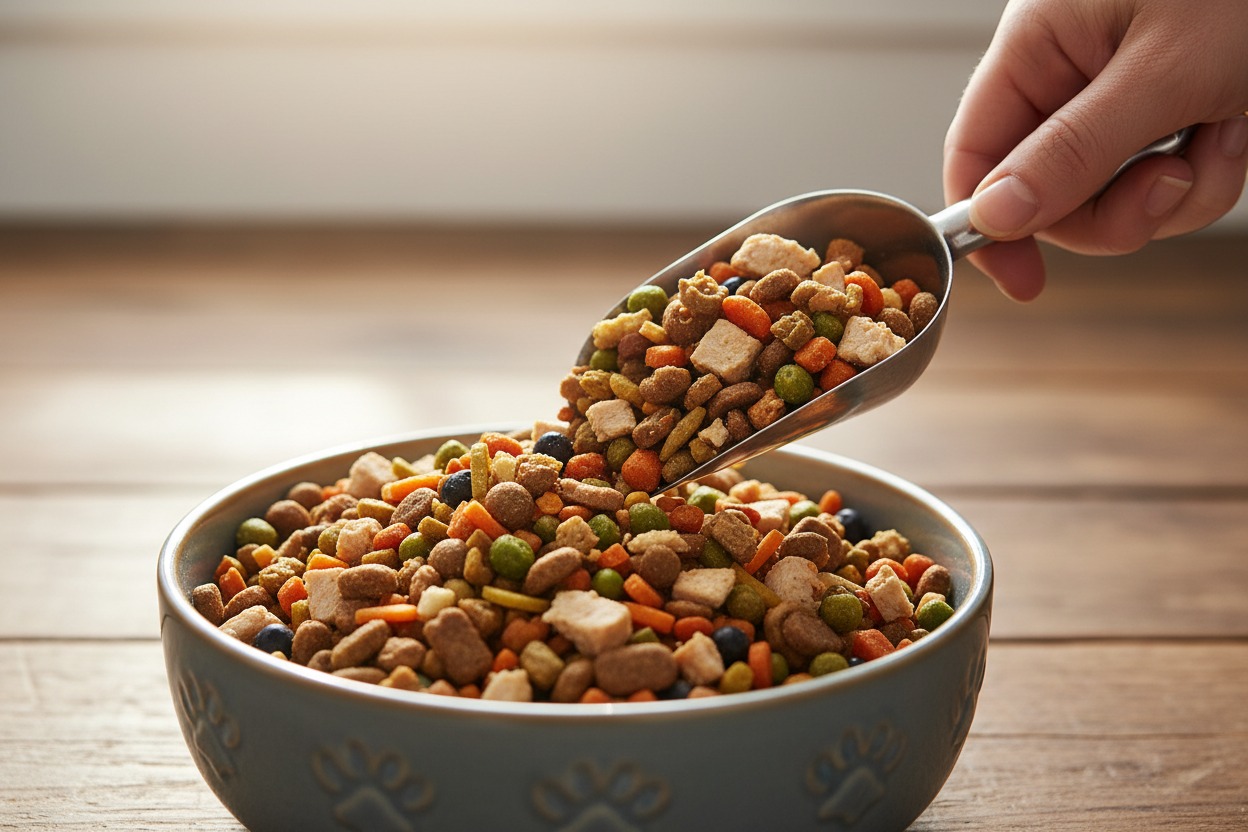
As more pet parents seek to provide the healthiest options for their furry friends, raw feeding has surged in popularity. Raw diets promise natural nutrition, often mimicking what animals would eat in the wild. However, concerns about safety and convenience have led to the rise of freeze-dried raw food as an appealing alternative. But which option truly stands out as the best choice for modern pet parents? Let’s explore the benefits and considerations of both raw and freeze-dried raw diets.
Understanding Raw Food Diets
Raw food diets typically consist of uncooked meat, bones, organs, and sometimes fruits and vegetables. Advocates argue that this diet offers superior nutrition by preserving enzymes and nutrients that cooking might destroy. Raw feeding can support healthier skin and coat, enhanced energy levels, and improved digestion.
Pros of Raw Food:
- High in natural proteins and fats
- Minimal processing retains nutrients
- Can improve dental health through chewing bones
- Often free from artificial additives and preservatives
Cons of Raw Food:
- Risk of bacterial contamination (Salmonella, E. coli)
- Requires careful handling and storage
- Can be messy and time-consuming to prepare
- Potential imbalance if not properly formulated
What is Freeze-Dried Raw Food?
Freeze-dried raw food starts as raw meat and organs, which are quickly frozen and then dehydrated through a process that removes moisture while preserving nutritional integrity. The result is a lightweight, shelf-stable product that pet parents can rehydrate before feeding.
Pros of Freeze-Dried Raw:
- Retains most nutrients of raw food due to minimal heat exposure
- Reduced risk of bacterial contamination thanks to dehydration
- Convenient and easy to store without refrigeration
- Less mess and quicker preparation
- Longer shelf life compared to fresh raw
Cons of Freeze-Dried Raw:
- Can be more expensive than fresh raw or kibble
- Some pets may require acclimation due to texture or flavor differences
- Always check for added fillers or preservatives in commercial products
Which is Safer?
Safety is a crucial factor for any diet choice. Raw food’s risk of bacterial contamination is a legitimate concern, especially for households with young children, elderly individuals, or immunocompromised members. Proper hygiene, sourcing from reputable suppliers, and freezing meat before use can reduce risks, but not eliminate them entirely.
Freeze-dried raw food significantly lowers these risks because the dehydration process inhibits bacterial growth. Additionally, the convenience of not having to refrigerate the product reduces the chance of spoilage.
Which is Best for Your Pet?
Ultimately, the best choice depends on your pet’s needs, your lifestyle, and your comfort with food handling. If you have the time and resources to safely manage raw feeding and your pet thrives on it, fresh raw food might be ideal. On the other hand, if convenience and safety are top priorities, freeze-dried raw offers a compelling compromise that retains the nutritional benefits of raw feeding with fewer hassles.
Tips for Transitioning and Feeding
- Introduce any new diet gradually over 7–10 days to allow your pet’s digestive system to adjust.
- Consult your veterinarian or a pet nutritionist to ensure your pet’s diet is balanced.
- Always practice good hygiene: wash hands, sanitize surfaces, and store food properly.
- Monitor your pet’s health and behavior, and adjust the diet as needed.
Conclusion
Both raw and freeze-dried raw diets have unique advantages and challenges. For modern pet parents looking for a safe, nutritious, and convenient option, freeze-dried raw food often strikes the perfect balance. However, with proper care and preparation, fresh raw food remains a powerful choice for those committed to a natural feeding approach. Whatever you choose, your pet’s health and happiness are the ultimate goals.
Leave a Reply