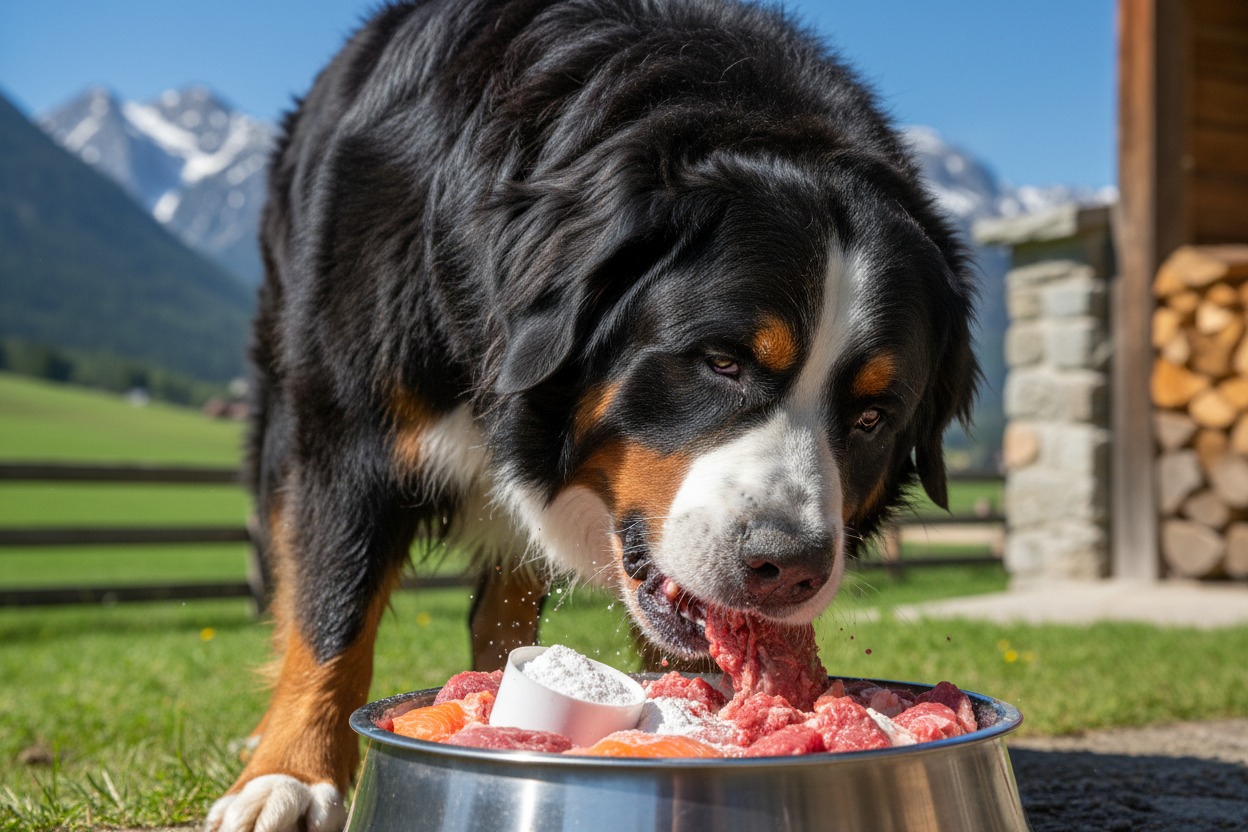
In recent years, pet nutrition has seen a significant shift toward more personalized and dynamic feeding strategies. One approach gaining popularity among dog owners and veterinarians alike is rotational dieting. But what exactly is rotational dieting, and why is changing your dog’s protein source important? Let’s explore this emerging trend and its benefits.
What Is Rotational Dieting?
Rotational dieting involves regularly changing the primary protein source in your dog’s diet. Instead of feeding the same protein day after day, owners rotate between different proteins such as chicken, beef, lamb, fish, or turkey over weeks or months. This practice can be applied to both commercial and homemade diets.
Why Change Your Dog’s Protein?
- Reduce Food Sensitivities and Allergies
Dogs can develop sensitivities or allergies to specific proteins over time. By rotating proteins, you minimize prolonged exposure to one protein source, which may reduce the risk of developing allergies or intolerances. - Improve Nutritional Balance
Different protein sources offer varying amino acid profiles and nutrients. Rotating proteins ensures your dog receives a broader spectrum of essential nutrients, supporting overall health and vitality. - Enhance Digestive Health
Introducing variety in protein can promote a healthy gut microbiome by encouraging diverse bacterial populations. This diversity can lead to better digestion and nutrient absorption. - Prevent Boredom and Increase Appetite
Just like humans, dogs can get bored eating the same food every day. Rotational diets can keep mealtime exciting and encourage picky eaters to maintain a healthy appetite.
How to Implement a Rotational Diet
- Consult Your Veterinarian: Before making any changes, discuss your plans with a vet or a pet nutritionist to ensure your dog’s specific needs are met.
- Choose High-Quality Proteins: Opt for wholesome, minimally processed protein sources suitable for dogs.
- Rotate Gradually: Introduce new proteins slowly over 7-10 days to allow your dog’s digestive system to adjust.
- Monitor Your Dog: Watch for any signs of allergies or digestive upset and adjust accordingly.
Final Thoughts
Rotational dieting represents a thoughtful and proactive approach to canine nutrition. By changing your dog’s protein source regularly, you can support their health, reduce the risk of food-related issues, and make mealtime more enjoyable. As always, personalized advice from your veterinarian is key to successfully implementing this diet strategy.
Embrace the rise of rotational dieting and give your furry friend the nutritional variety they deserve!
Leave a Reply