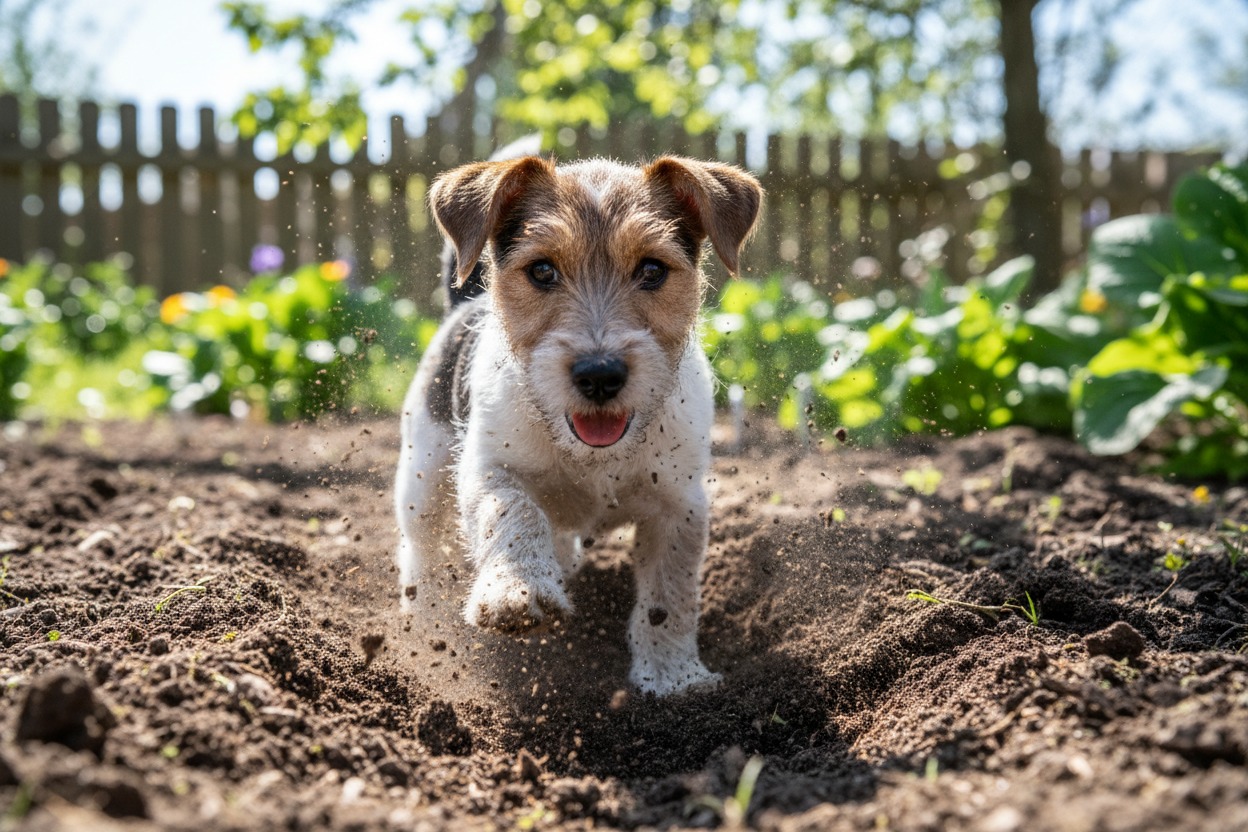
Dogs are naturally curious and energetic creatures, and digging is one of their instinctive behaviors. Many dog owners have experienced the frustration of discovering their once-pristine yard turned into a series of holes and disrupted soil. But why do dogs dig in the yard, and how can you channel this behavior into something safe and enjoyable for both you and your furry friend? In this blog post, we will explore the reasons behind dog digging and provide a step-by-step guide on how to build a safe sand dig pit.
Why Do Dogs Dig in the Yard?
- Instinct and Ancestry
Digging is a natural instinct inherited from their wild ancestors. Wild dogs and wolves dig to create dens for shelter, to store food, or to find small animals to eat. Domestic dogs may still have this urge as part of their genetic makeup. - Boredom and Excess Energy
Dogs that don’t get enough physical or mental stimulation often dig to entertain themselves. If your dog is left alone for long periods without play or exercise, digging can become a way to release pent-up energy. - Seeking Comfort
On hot days, dogs might dig to create a cool spot to lie down. The earth beneath the surface is usually cooler than the air temperature, so digging helps them regulate their body temperature. - Hunting and Curiosity
Dogs have a strong prey drive. They might dig to chase after rodents, insects, or other small creatures hiding underground. Sometimes, the scent of buried objects, like bones or toys, encourages them to dig. - Anxiety and Stress
Some dogs dig as a coping mechanism when they feel anxious or stressed. Separation anxiety or changes in their environment can trigger this behavior.
How to Build a Safe Sand Dig Pit for Your Dog
If your dog loves to dig, rather than trying to stop them completely, it’s often better to provide a designated digging area. A sand dig pit can be a fantastic way to satisfy their digging urges while protecting the rest of your yard.
Materials Needed:
- A shallow wooden frame or plastic sandbox
- Clean, non-toxic play sand (avoid construction sand)
- A tarp or cover (optional)
- Toys and treats for encouragement
Step-by-Step Guide:
- Choose the Location
Pick a spot in your yard that is easily visible to you but away from flower beds or vegetable gardens. Ideally, it should be a shaded area to keep the sand cool. - Build or Buy a Sandbox Frame
You can either purchase a sandbox designed for children or build your own using untreated wood planks. It should be sturdy enough to hold the sand and large enough for your dog to dig comfortably. - Fill with Safe Sand
Use clean play sand that is free from harmful chemicals or sharp debris. Avoid construction sand, which can contain irritants. Fill the sandbox to a depth of about 12 inches to give your dog plenty of room to dig. - Introduce Your Dog to the Pit
Encourage your dog to use the dig pit by hiding favorite toys or treats in the sand. Praise them and reward positive behavior to reinforce the association. - Maintain the Dig Pit
Regularly clean the sand to remove any debris or waste. You can cover the pit when not in use to keep it clean and prevent other animals from using it.
Additional Tips to Manage Digging Behavior
- Provide ample exercise and mental stimulation through walks, playtime, and training sessions.
- Use positive reinforcement to reward your dog when they dig in the designated area.
- Avoid punishing your dog for digging, as this can increase anxiety and worsen the behavior.
- Create barriers around garden beds using fencing or plants to protect them.
- Consider interactive toys or puzzle feeders to keep your dog engaged.
Conclusion
Digging is a natural and often beneficial behavior for dogs, but it can become problematic if left unmanaged. Understanding why your dog digs in the yard can help you address their needs effectively. By building a safe sand dig pit, you provide your canine companion with a dedicated space to enjoy digging without damaging your garden or lawn. With patience, consistency, and a little creativity, you can transform digging from a nuisance into a fun and enriching activity for your dog.
Leave a Reply